














































GLP-1 medications have made headlines lately, and unless you've been living under a rock (or blissfully off social media), you've probably heard about them. From celebrity weight-loss stories to nonstop news segments, these medications have sparked a lot of curiosity about appetite, cravings, and blood sugar.
But here's something many people don't realize: Your body already knows how to make GLP-1.
Think of GLP-1 as your body's built-in "I'm good, thanks" signal. It helps you feel full, satisfied, and more balanced after meals. And the foods you eat every day can help turn that signal on.
By choosing meals with foods that boost glucagon-like peptide-1 production, you can naturally support your body's GLP-1 response. The payoff? Fewer cravings, steadier energy, and smoother blood sugar after you eat.
Even better? Most of these foods may already be in your kitchen or are readily available at your local grocery store.
What Is GLP‑1 and Why Does It Matter?
GLP‑1 (glucagon-like peptide-1) is a hormone made in the gut that is released after you eat. It signals the brain that you are full, while also helping the pancreas release insulin in response to rising blood glucose (1, 2). It also slows gastric emptying, which prolongs fullness and can reduce overall calorie intake.
The role of GLP-1 is pretty simple:
- It tells your brain, "Hey, we're full."
- It helps manage blood sugar after meals.
- It slows digestion so food sticks around a little longer.
Picture GLP-1 as a dimmer switch. When it's produced in the body, it slowly turns down hunger and turns up satisfaction so you naturally feel content.
For many people, especially those dealing with stubborn weight gain, this signal can feel quieter than it should. Supporting GLP-1 naturally through diet and lifestyle (movement, sleep) can help turn the volume back up.
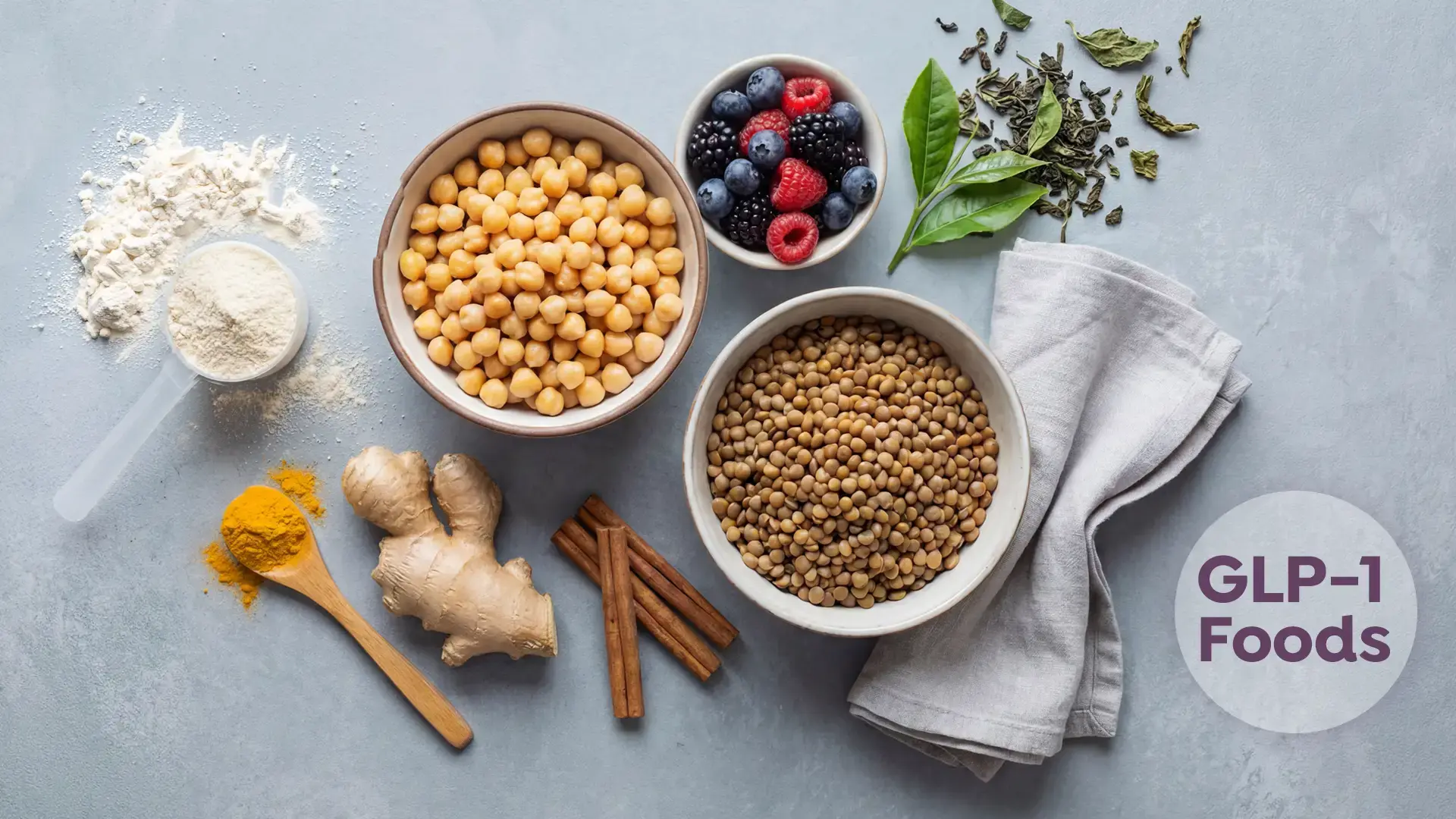
9 Foods to Boost GLP-1 Naturally
1. Greek Yogurt
Protein is one of the strongest food signals for GLP-1. And research suggests that when it's paired with calcium, the effect can be even better (3). Dairy options like Greek yogurt, skyr, and kefir naturally combine protein and calcium, which helps your body feel fuller and more satisfied after meals.
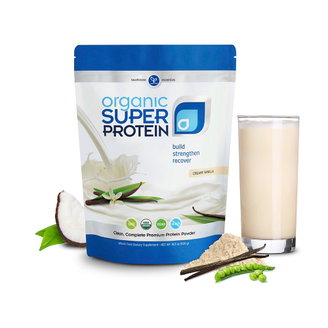
Scientists have been exploring other ways protein can impact GLP-1 levels such as eating protein before carbs in a meal. Researchers have also discovered that consuming liquid protein results in significantly higher GLP-1 compared to solid protein. That means having a favorite protein shake before or early in your meal could boost GLP-1 levels higher (3).
2. Legumes
Legumes are the overachievers of the food world.
They deliver plant protein, slow-burning carbs, and fiber all at once, exactly the kind of combo GLP-1 loves. This helps slow digestion and avoid blood sugar roller coasters that leave you hungry again an hour later.
Over time, swapping refined carbs (like white bread or white rice) for legumes like beans and lentils has been linked with better appetite control and steadier blood sugar (4).
3. Cinnamon
Cinnamon isn't just cozy in coffee and oatmeal. Its natural plant compounds may help support how your body handles food, including pathways linked to GLP-1 and balanced blood sugar after meals (5).
Think of cinnamon as a small but mighty helper in your spice rack. Using it regularly is an easy way to add flavor while gently supporting appetite balance. It also adds warmth and sweetness without sugar, making healthy foods more satisfying.
4. High‑Fiber Foods
Fiber is like a traffic controller for digestion. Fiber slows gastric emptying, while also keeping everything moving smoothly. This helps deliver more nutrients to the lower small intestine and colon, where GLP‑1‑producing cells are concentrated (6).
When fiber reaches the lower part of your gut, it helps trigger GLP-1 and supports feelings of fullness. That's why meals with oats, apples, vegetables, and whole grains tend to "stick" longer than refined foods.
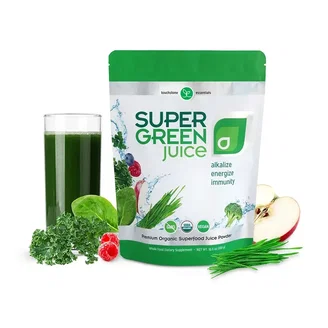
However, fewer than half of people get the recommended amount of fiber daily. To boost your intake, opt for an organic fiber shake that delivers both soluble and insoluble fiber for the biggest benefits.
5. Sauerkraut (and other fermented foods)
Your gut bacteria help decide how well GLP-1 works. Fermented foods feed and diversify the gut microbiota, which in turn shapes GLP‑1 secretions and keeps the gut environment friendly (1).
When your gut is happy, hormone signals including GLP-1 tend to work better. Foods like sauerkraut, kimchi, kefir, and tempeh offer an easy way to support that balance.
These fermented foods work in part due to their high concentration of probiotics, types of beneficial bacteria. Learn more about the benefits of probiotics in this post.
6. Green Tea
Green tea offers more than hydration. The antioxidant EGCG in green tea has long been recognized for its health benefits, including how it can boost calorie-burning and fat-burning (7). Now research shows it may support GLP-1 production too.
In one study of diabetic patients consuming green tea, researchers found a significantly higher level of GLP-1 production compared to the placebo group (8). That means sipping a daily green tea may support feelings of fullness. Low in calories and rich in antioxidants, it's also a smart swap for sugary drinks.
7. Ginger Root
Ginger is a kitchen staple for good reason, adding a zesty zip to meals. But ginger offers much more than a flavor boost. Ginger contains a unique antioxidant called gingerol. This compound is renowned for how it supports digestion and joint health. Newer research also suggests gingerol can increase GLP-1 levels.
While this early research was done with animals, the results are promising. The research showed the gingerol group had a dramatic increase in GLP-1 production and improved glucose tolerance (9). All the more reason to add this spicy herb to your favorite sweet or savory dishes.
8. Berries (and other polyphenol‑rich foods)
Plant bioactives known as polyphenols are emerging as powerful GLP‑1 helpers that work behind the scenes. These antioxidants support gut health and may help GLP-1 stay active longer by reshaping the gut microbiota (10).
You'll find polyphenols in deeply colored plant foods like berries, cocoa, and green tea. These foods don't just taste good; they support the systems that help you feel satisfied after eating. Chocolate-covered strawberries for gut health? Yes, please!
9. Turmeric Root
Turmeric is truly a superstar in the herbal world. This golden spice is recognized for its anti-inflammatory abilities and is known as a powerful antioxidant. Emerging research also shows that it can boost GLP-1 production (11).
Lab and animal studies on curcumin (the compound that gives turmeric its golden color) have shown it can support GLP-1 release and related pathways tied to insulin response and metabolic balance (5, 12).
Given all the ways that turmeric supports well-being, adding some to meals and smoothies is a smart step for overall health and wellness.
The Takeaway
You don't need extreme diets or drastic measures to support GLP-1. What you eat can have a big impact on your appetite and achieving a healthy weight.
Simple, repeatable habits like more protein, more fiber, fermented foods, and colorful plants can work with your body's natural systems over time.
Focus on progress, not perfection. Small changes, done consistently, can add up to better appetite control, steadier energy, and more balanced blood sugar-one meal at a time.
Shop this Article
Recent Articles

11 Vitamins & Minerals Women Need
Hibiscus Mojito Detox Mocktail
7 Simple Ways to Enhance Your Detox

3 Big Ways Telomeres Impact Mitochondria
Use HSA/FSA for Your Favorite Detox Supplements
5 Dangers of Supplement Dupes

A Letter of Thanks From Our Founder

The Ultimate 2025 Holiday Gift Guide

9 Biohacking Tips for Longevity
A Healthy Electrolyte Mocktail You'll Love
Recent Articles
11 Vitamins & Minerals Women Need
Hibiscus Mojito Detox Mocktail
7 Simple Ways to Enhance Your Detox
3 Big Ways Telomeres Impact Mitochondria
Use HSA/FSA for Your Favorite Detox Supplements
A Letter of Thanks From Our Founder
The Ultimate 2025 Holiday Gift Guide
9 Biohacking Tips for Longevity
A Healthy Electrolyte Mocktail You'll Love


